Best Money Management Books

The right book can change how you think, work, and live.

This page features the most impactful books on money — carefully selected for their ideas, clarity, and lasting value. These are non-fiction books chosen for insight, not hype.

Financially Stupid People Are Everywhere: Don’t Be One Of Them

by Jason Kelly

In “Financially Stupid People Are Everywhere: Don’t Be One of Them,” Jason Kelly delivers a tough-love guide to overcoming the financial traps set by modern society. Highlighting the pervasive culture of debt, Kelly urges readers to reject consumerist messages, live within their means, and take control of their financial choices. He critiques banks and businesses for their misleading practices while emphasizing personal responsibility, using clear examples to illustrate paths to financial freedom. With insights into the root causes of issues like the 2008 economic crisis and practical strategies to avoid common pitfalls, this straightforward and empowering book equips readers to build lasting financial stability.
The Total Money Makeover: A Proven Plan for Financial Fitness

by Dave Ramsey

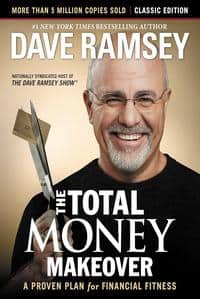
In The Total Money Makeover: A Proven Plan for Financial Fitness, Dave Ramsey delivers a no-nonsense, step-by-step approach to taking control of your finances and building lasting wealth. Ramsey breaks down his proven “baby steps,” guiding readers to pay off debt, build an emergency fund, and invest for the future — all without relying on get-rich-quick schemes. Combining tough love with encouraging success stories, he highlights common money myths that hold people back and provides practical tools to create a solid budget and stick to it. With clear, actionable advice and a focus on discipline and mindset shifts, this book has inspired millions to ditch debt and achieve financial freedom, one smart decision at a time.

All Your Worth: The Ultimate Lifetime Money Plan

by Amelia Warren Tyagi, Elizabeth Warren

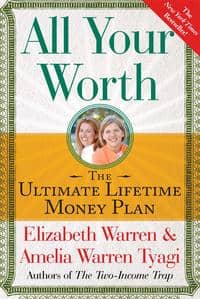
In All Your Worth: The Ultimate Lifetime Money Plan, Elizabeth Warren and Amelia Warren Tyagi offer a clear, practical system for managing your money with confidence and balance. Backed by decades of research, they introduce the simple yet powerful 50/30/20 rule — guiding you to spend 50% of your income on needs, 30% on wants, and 20% on savings and debt repayment. With relatable stories and easy-to-follow checklists, they help you cut through financial confusion, tackle debt, and make smart choices without feeling deprived. This straightforward plan empowers you to enjoy your money today while securing your future, making it a trusted guide for lasting financial well-being.

Set for Life: Dominate Life, Money, and the American Dream

by Scott Trench

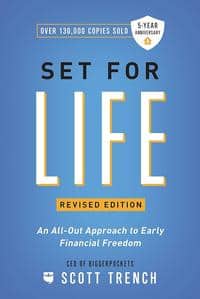
In Set for Life: Dominate Life, Money, and the American Dream, Scott Trench lays out a clear, actionable path to achieving financial freedom early on — even without a high income. Sharing his own journey and practical strategies, Trench shows readers how to maximize savings, slash expenses, and invest wisely to break free from living paycheck to paycheck. From house hacking to smart side hustles, he challenges conventional ideas about work and wealth, empowering you to build a strong financial foundation and take control of your time. With a focus on aggressive yet realistic steps, this book is a motivating guide for anyone who wants to design a life with options, security, and independence.

The Simple Path to Wealth: Your Road Map to Financial Independence and a Rich, Free Life

by J.L. Collins

In The Simple Path to Wealth: Your Road Map to Financial Independence and a Rich, Free Life, JL Collins offers a straightforward and accessible guide to investing and financial independence. Written in a conversational, reassuring tone, the book simplifies complex financial concepts, helping readers feel confident about managing their money without relying on financial advisors. Inspired by lessons Collins originally created for his daughter, the book emphasizes living within your means, avoiding debt, and building “F-You Money” for freedom and security. With practical advice, personal anecdotes, and engaging metaphors, this guide is perfect for anyone seeking a clear, no-nonsense approach to achieving financial independence.

Millionaire Teacher: The Nine Rules of Wealth You Should Have Learned in School

by Andrew Hallam

In Millionaire Teacher: The Nine Rules of Wealth You Should Have Learned in School, Andrew Hallam, a schoolteacher-turned-millionaire, shares a simple yet effective strategy to achieve financial success by dedicating just one hour per year to investments. Hallam’s nine rules emphasize the importance of living below your means, investing in low-cost index funds, and avoiding financial pitfalls like overspending on cars and luxury items. With practical advice, real-life millionaire examples, and a focus on the power of compound interest, this guide offers a blueprint for anyone to build wealth through disciplined and thoughtful financial habits, regardless of income or career.

Wealthing Like Rabbits: An Original and Occasionally Hilarious Introduction to the World of Personal Finance

by Robert R. Brown

For those who prefer a novel-like approach to personal finance, Robert R. Brown’s Wealthing Like Rabbits: An Original and Occasionally Hilarious Introduction to the World of Personal Finance offers an entertaining yet practical guide to money management. Using rabbits as a metaphor for the exponential growth of investments, Brown combines humor, storytelling, and pop culture references to make finance accessible and enjoyable. From lessons on frugality to insights into Canada’s most impactful financial products, the book helps readers navigate smart financial choices while avoiding common pitfalls—all through engaging anecdotes that make learning about money unexpectedly fun.

The Bogleheads’ Guide to Investing

by Mel Lindauer, Michael LeBoeuf, Taylor Larimore

The Bogleheads’ Guide to Investing by Taylor Larimore, Michael LeBoeuf, and Mel Lindauer is a comprehensive, beginner-friendly resource for anyone looking to take control of their financial future. Rooted in the investment philosophy of John C. Bogle, founder of The Vanguard Group, this guide emphasizes rational planning, diversification, and cost-effective strategies. Written by leaders of the Bogleheads community, the book offers practical, no-nonsense advice on building wealth through disciplined, long-term investing. With clear chapters, contrarian wisdom, and an invitation to join the supportive Bogleheads forum, this guide equips readers to spend less, invest smarter, and achieve financial independence.

I Will Teach You to Be Rich: No Guilt. No Excuses. No BS. Just a 6-Week Program That Works

by Ramit Sethi

Ramit Sethi’s I Will Teach You to Be Rich: No Guilt. No Excuses. No BS. Just a 6-Week Program That Works offers a practical, judgment-free approach to personal finance, empowering readers to take control of their money without sacrificing their lifestyle. Sethi provides actionable strategies for overcoming financial anxieties, navigating media overload, and identifying “invisible money scripts” that influence spending and saving habits. With inclusive advice, engaging stories, and a flexible essay-style format, the book caters to readers from all backgrounds. Whether you’re new to investing or revisiting financial goals, this updated guide delivers the tools to build a rich, fulfilling life.

The Millionaire Next Door: The Surprising Secrets of America’s Wealthy

by Thomas J. Stanley, William D. Danko

In The Millionaire Next Door: The Surprising Secrets of America’s Wealthy, Drs. Thomas J. Stanley and William D. Danko debunk the myth that millionaires lead extravagant lifestyles, revealing that many of America’s wealthy live modestly and prioritize saving over spending. Based on extensive interviews and surveys, the book highlights seven key traits of these hidden millionaires, such as frugality, financial independence, and strategic investing. Packed with relatable case studies and visually engaging charts, this research-driven book inspires middle-income earners to rethink wealth-building and demonstrates that true financial success often stems from discipline and smart decision-making, not high incomes.

Your Money or Your Life

by Joe Dominguez, Vicki Robin

In Your Money or Your Life, Vicki Robin and Joe Dominguez challenge readers to rethink their relationship with money, framing income as “life energy” and encouraging a shift toward aligning finances with personal values. This guide combines practical advice on spending less, earning more, and investing wisely with a focus on finding joy and fulfillment. Through relatable stories, striking insights, and statistics, the authors reveal how overconsumption and materialism hinder happiness while urging readers to prioritize purpose and environmental responsibility. Accessible and hopeful, this book offers a roadmap for achieving financial independence and living a meaningful, balanced life.

Beat the Bank: The Canadian Guide to Simply Successful Investing

by Larry Bates

In Beat the Bank: The Canadian Guide to Simply Successful Investing, Larry Bates exposes the hidden fees and pitfalls of the Canadian banking industry while empowering readers to take control of their investments. Through engaging stories of everyday Canadians, Bates outlines three straightforward steps for smart, long-term investing that prioritizes your returns over the bank’s profits. With accessible explanations of financial terms and actionable advice, Bates demystifies investing for beginners and seasoned investors alike. Driven by a personal mission to protect others from financial missteps, this guide provides the tools needed to maximize wealth and secure financial independence.

The Richest Man in Babylon

by George S. Clason

The Richest Man in Babylon by George S. Clason is a timeless guide to financial wisdom, originally distributed as bank pamphlets in 1926 before becoming a beloved self-help classic. Set in ancient Babylon, the book conveys its lessons through engaging parables featuring characters like “The Man Who Desired Gold” and “The Goddess of Good Luck.” Clason’s principles emphasize budgeting, saving, and investing wisely while encouraging readers to pursue education and meaningful work to enhance income and happiness. Written in a style reminiscent of biblical parables, this enduring book offers practical, relatable advice to help readers overcome poor money habits and build lasting wealth.

Trust & Disclosure Microcopy

Some links on this page are affiliate links. If you purchase through them, SelfBooks may earn a commission at no additional cost to you.

We only recommend books we genuinely believe are worth your time.

cta-img